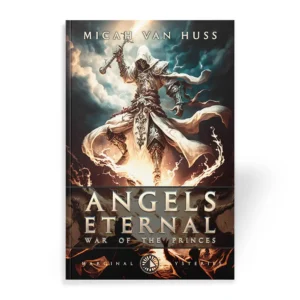
An excerpt from Angels Eternal: War of the Princes by Micah Van Huss
“…the angels could not be numbered, and the host of heaven could not be counted.” – 1 Enoch 14:22
In the ancient world, people saw the physical and spiritual realms as deeply connected in ways we often overlook today. When the Bible and other ancient writings refer to angels or divine beings as “morning stars,” it was not mere poetic flourish—it reflected a belief about the nature of the heavens. The ancients looked up at the night sky and saw lights that moved against the backdrop of the cosmos. Because of this movement, they reasoned that stars must be alive. They were the visible glory of living entities, perhaps even divine ones, shining through from the other side of the veil.
Stars were also understood to dwell in a realm completely beyond human reach. In their minds, it was fitting that spiritual beings, far superior to men and unbound by earth’s limitations, would live there. The heavens represented the dwelling place of gods and spirits, and the glittering hosts above were seen as either manifestations of these beings or the evidence of their glory. When Scripture calls angels “morning stars” it reinforces this ancient connection.
To the human eye, all stars appear as bright lights, yet among these heavenly hosts, there is a remarkable diversity. Scripture and ancient tradition reveal that there are many different kinds of angels—messengers, warriors, throne guardians, burning seraphim and more—each type a distinct reflection of God’s vast and wondrous spiritual order.
While we often refer to them all as “angels,” the reality is more complex. The Bible, along with some of the older Jewish and Near Eastern texts, describes various types of spiritual beings—each with their own roles, ranks and appearances. Some stand in God’s presence. Others carry messages to mankind. Some watch over nations.
Among these beings are the Seraphim, Cherubim, Malakim, Archangels, Watchers, Sons of God, the Living Creatures and the Nachash.
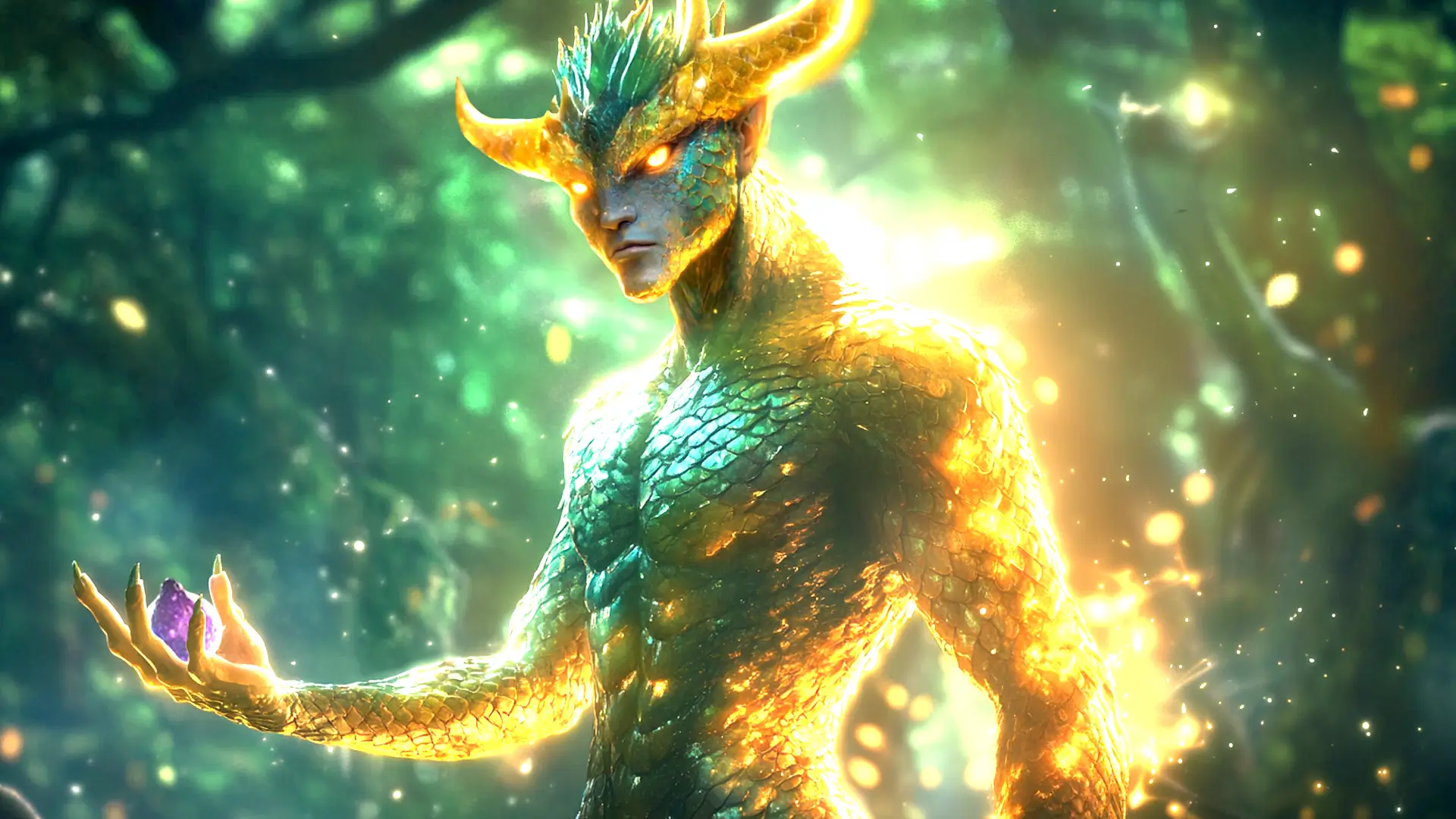
We are about to study each of these in detail, but for now, it’s important to simply recognize that the spiritual world is ordered and full of purpose.
In Genesis 1:26, God, speaking in the plural, says that we will make man in our image, “And God said, Let us make man in our image, after our likeness…” The plural language is very likely a reference to the Divine Council. This would mean that not only are we created in God’s image, but the angels are too. Most of the angels we are about to study are described as humanoid in form though some are anthropomorphic (human animal hybrids) and some have wings.
Angels have a broad set of missions which are contrasted in scripture. On the one hand, angels are portrayed as gentle guardians and compassionate helpers, sent specifically to serve those who will inherit salvation. Hebrews 1:14 reads, “Are they not all ministering spirits, sent forth to minister for them who shall be heirs of salvation?” Whether it’s leading Lot out of danger, strengthening prophets, or even standing guard over God’s people, angels perform duties that reassure us of God’s personal care.
Yet these same beings also bear out missions of terrible judgment. As we just saw in the Rise of the Princes chapter, the Angel of the Lord smote 185,000 Assyrian soldiers. In Genesis 19:13, angels tell of the destruction they bring, “For we will destroy this place, because the cry of them is waxen great before the face of the Lord; and the Lord hath sent us to destroy it.” These ministering spirits are equally commissioned to execute God’s righteous wrath on wickedness. They are servants of God’s full counsel, instruments both of His mercy and His justice, moving at His command whether to comfort or to cleanse.
Across ancient cultures, we find stories of powerful beings that resemble the angels described in Scripture. While these mythologies are not inspired, they often echo biblical themes. These cross-cultural parallels can help us understand how the ancient world viewed divine beings, and how those views may have been shaped by real spiritual encounters and the princes who ruled the nations.
In Mesopotamian and Sumerian texts, we read about the Anunnaki, Igigi and Apkallu—heavenly or semi-divine beings who descended to earth, taught mankind forbidden knowledge and were sometimes punished for it. These stories bear striking similarities to the Book of Enoch’s account of the fallen Watchers. The Apkallu were sages sent from the gods before the flood, just as Enoch speaks of angels who descended before the Flood and corrupted mankind.
Even in the Greek world, we find echoes of this pattern. Grigori is the Greek name given to the Watchers in the Septuagint. In various traditions, we see gods who fall from heaven, mate with humans and bring chaos. While these accounts are imbued with myth and idol worship, the underlying story preserves a distorted memory of the spiritual war described in Genesis 6. As we study these parallels, we’re not giving legitimacy to the pagan myths, but illuminating how the true story of God’s creation and the angelic rebellion left its mark on civilizations across the world…
Anxious to learn more? Order Angels Eternal: War of the Princes today!