It has been two years since the Gaza War began. Despite escalating pressure in the land of the Bible, the world did not expect the horrendous attack by Hamas and other militant groups on that still Oct. 7 morning as preparations for Simchat Torah, an annual celebration for the renewal of the reading of Torah, were being made.
That June, I had been working in the mountains overlooking Nablus, helping with a salvage excavation of a biblical site. We’d had a long day of physical labor and were relaxing on the van ride down Highway 60 back to Jerusalem. As we approached the settlement of Eli, a pickup truck in front of us screeched to a halt and two men exited the vehicle. One man brandished a pistol and climbed into the driver’s seat; the other ran toward us, yelling and waving his arms.
Unsure of what was happening and unwilling to stick around, our lead archaeologist and driver stepped on the gas. We ended up driving behind the pickup truck which screeched to a halt a hundred yards or so up the road by a gas station and hummus restaurant. The driver again left his vehicle and began firing his pistol into the parking lot near the gas pumps. Shots were returned from a man with an M-16. Our team hunkered down as our driver sped behind the scene, but not before the man in the parking lot was lying on the ground very still. It turned out that two Hamas gunmen had killed four Israelis who were eating and pumping gas. One gunman was shot and killed by the driver of the truck, an armed Israeli citizen who was shot twice but survived.
The other gunman fled the scene but was killed later that evening by the Israel Defense Forces. For the next week, retaliation was enacted back and forth between the Palestinians and Israelis in the region and we saw many plumes of black smoke from burned vehicles and fields of barley. Two months later, I walked through a police cordon at the Jaffa Gate where a young Palestinian teen had gone on a stabbing spree. The violence was escalating.
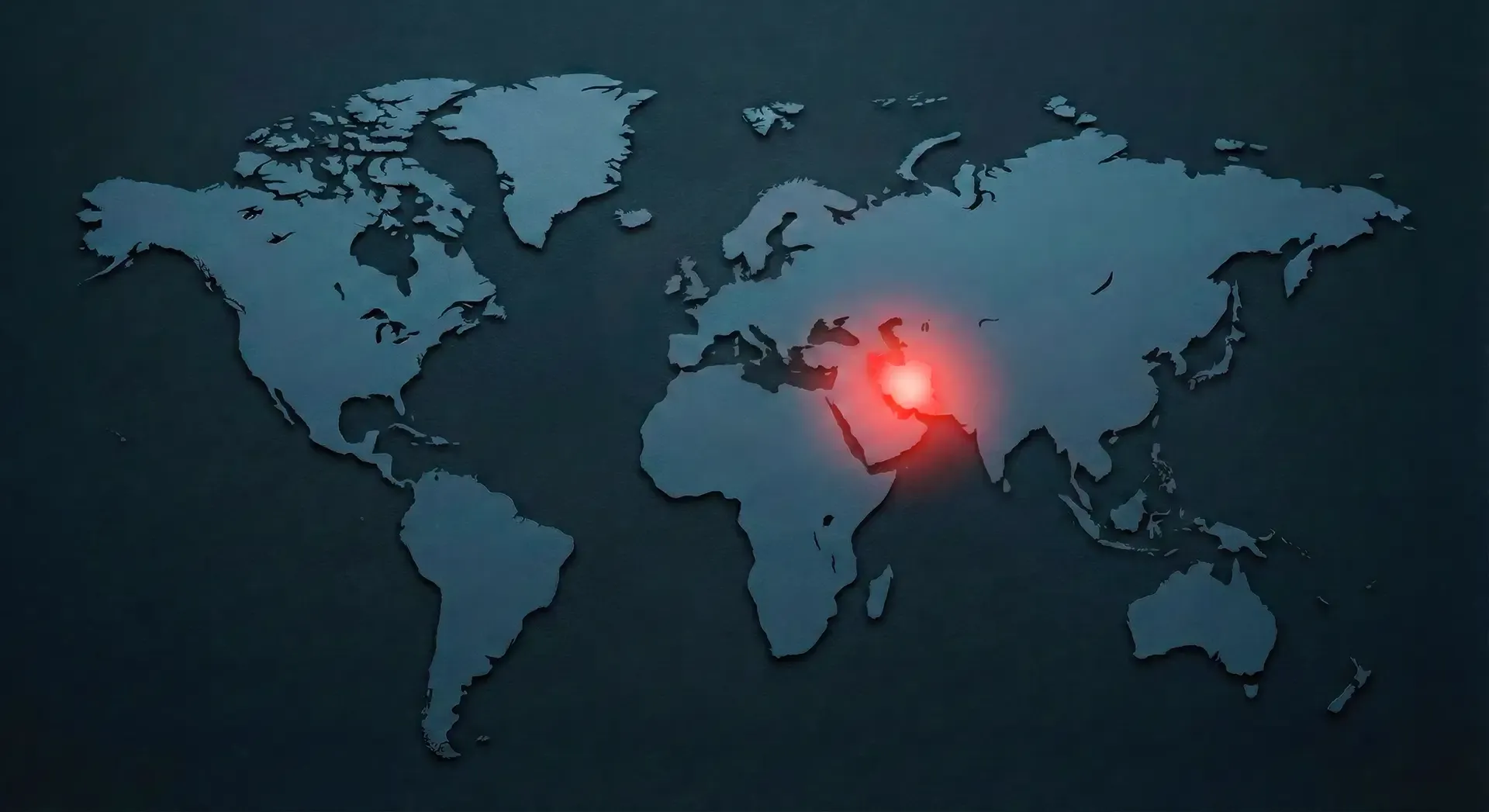
I have returned to the land of the Bible twice since the war began. Most recently, our archaeological team found ourselves enduring the Twelve-Day War. The Homefront Command apps on our phones would alert us at all hours of the day and night that Iranian missiles and Houthi rockets were inbound. Our Palestinian hotel staff prepared a table in the shelter that was constantly supplied with water and snacks because the sirens would call us there at least once a day. Sometimes we could feel the tremors as missiles were intercepted overhead.
Even at the dig site at ancient Shiloh, a name that means something like “serenity,” we watched as Iranian munitions were shot down in the sky above us, leaving smoking trails and puffballs. Due to the hostilities, we were unable to leave the country from Tel Aviv at the time appointed. Rather, we were forced to undertake a reverse Exodus of sorts as we crossed into Egypt on foot and took a bus across the Sinai to fly out of Cairo, but that is another story.
What I have found in my visits to Bible lands during the war is a story of people. I have worked with and befriended many Israelis, religious and secular. Whether they consider themselves to be Zionists or not, they have a strong connection with the Land and finally feel at home. I have had the privilege of getting to know Palestinian people, Christians and Muslims. Always gracious and hospitable, I have come to call a number of them “friend.” Sometimes on the ground, it is difficult to distinguish between the various groups of people and what makes someone a native or a sojourner in a contested land.
I believe in God’s promise to Abram in Genesis 12 that He would bless those who bless him. This is an often misunderstood and vehemently argued passage. Bible readers will argue about whether this promise is about Abram and his family specifically or whether it is about the polity of the state of Israel. Sometimes it is even argued that this promise is to Abram’s “spiritual” descendants.
While we argue about whom we should or should not bless, we often miss the most significant part of God’s promise, and that is the part where God told Abram that through him all the people of the Earth will be blessed. While the bombs rumble and the rockets scream, our attention as believers is often diverted from our responsibilities before God.
We are keepers of the Good News.
It is under our stewardship that God has placed means and responsibility to share His promised blessing. I invite you to join me, on this two-year anniversary of the Gaza War as yet another peace proposal is on the table, to pray. Pray for the Israeli people. Pray for the Palestinian people. Pray that God will bring peace to the Land through the Prince of Peace and Savior of mankind, Jesus Christ.